Monday
28 September
morning
10:00h - 12:00h
12:30h - 13:30h
Guided visit to Marina de Empresas Valencia's enterpreneurship hub
Driven by Juan Roig in Valencia’s Marina, Marina de Empresas is a unique ecosystem dedicated to training, supporting, and investing in entrepreneurial talent. It brings together three complementary initiatives: EDEM, a business school focused on training entrepreneurs, executives, and business leaders; Lanzadera, an accelerator that helps startups grow; and Angels, an investment company that backs entrepreneurial leaders to build sustainable businesses. Together, they connect education, acceleration, and investment in one shared space, strengthening the business community and promoting wealth creation, employment, and innovation.
Afternoon
16:00h – 16:30h
16:30h – 17:00h
Official Opening of the Eurochambres Congress.
Institutional opening of the Congress: a welcome to the host country and to the content of the Congress.
17:00h - 17:45h
Plenary | Competitiveness and sustainability in a shifting global landscape.
A high-level political session analysing Europe’s economic position in an increasingly volatile geopolitical environment. The discussion will outline the strategic and regulatory framework shaping European businesses, with particular attention to how competitiveness and sustainability objectives can be aligned in practice.
17:45h - 18:30h
Panel discussion | What does the geopolitical context mean for the Chambers of commerce and industry?
An interactive session exploring how geopolitical uncertainty is reshaping the operating environment for European businesses and how chambers are responding in practice. The discussion will open with two concrete case studies from chambers that have adapted their services to support companies facing disruption, market volatility or regulatory shifts.
Building on these examples, the session will move into an open exchange among participants to reflect on common challenges, share practical responses and identify how chambers can strengthen their role as trusted partners for business continuity and strategic adaptation.
18:30h - 18:45h
Day 1: Summary key points.
The host closes with the main conclusions of the day
Evening
20:00h - 22:00h
Tuesday
29 September
Morning
09:00h - 09:30h
09:30h - 10:15h
Plenary | Strengthening competitiveness through the single market.
A high-level address outlining the current state of the Single Market, the main barriers limiting its full potential and the key reforms under discussion. The session will examine how a more effective and better integrated Single Market can reinforce Europe’s competitiveness and create new opportunities for businesses.
10:15h - 11:15h
Panel discussion | Adapting the chambers' services to a changing Europe.
A forward-looking leadership discussion focused on how chambers are transforming their service portfolio, business models and internal organisation to remain relevant and financially sustainable. Rather than reacting to specific geopolitical disruptions, this session will explore structural adaptation: redesigning services, engaging new member segments, measuring impact and diversifying revenue streams.
Speakers will share concrete examples of innovation in service delivery and explain how they demonstrate value to members in an increasingly competitive support ecosystem.
11:15h - 12:00h
Afternoon
12:00h - 13:00h
Thematic sessions: expert perspectives
Participants will choose one of three thematic tracks, which will structure their journey throughout the afternoon.
Each track begins with a keynote-style expert intervention to frame the policy and strategic context, followed by an open exchange with participants. This introductory session sets the scene for the subsequent practical workshop, where the same group will move from reflection to concrete examples, peer learning and actionable ideas.
This format ensures both strategic perspective and operational relevance within each theme
Itinerary 1: Sustainable competitiveness
An expert perspective on how sustainability and competitiveness can reinforce each other in the current European framework. The discussion will explore how chambers can help companies reconcile regulatory requirements with growth, innovation and resilience.
Itinerary 2: Digital transformation & AI
A strategic overview of Europe’s digital agenda and AI framework, with a focus on what it means in practice for SMEs. The exchange will examine how chambers can support digital uptake, compliance and innovation across their membership.
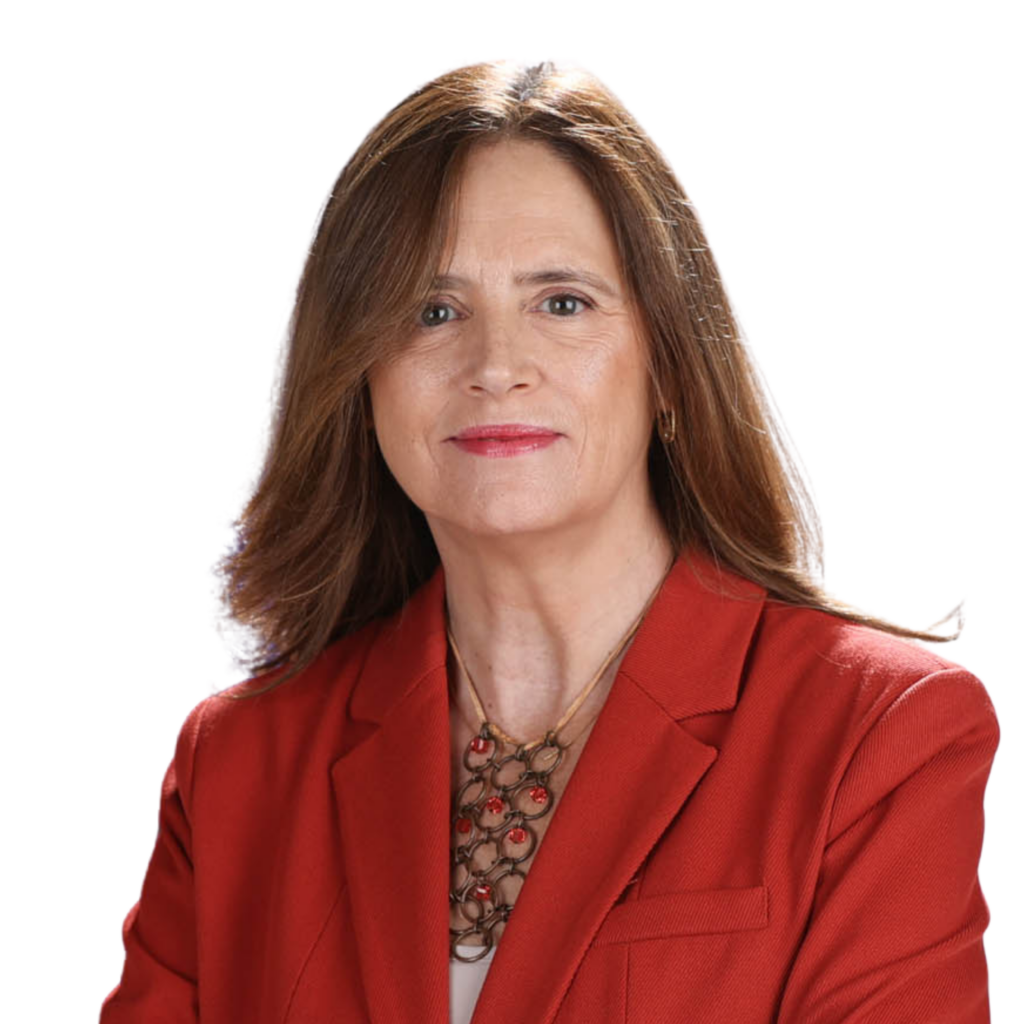
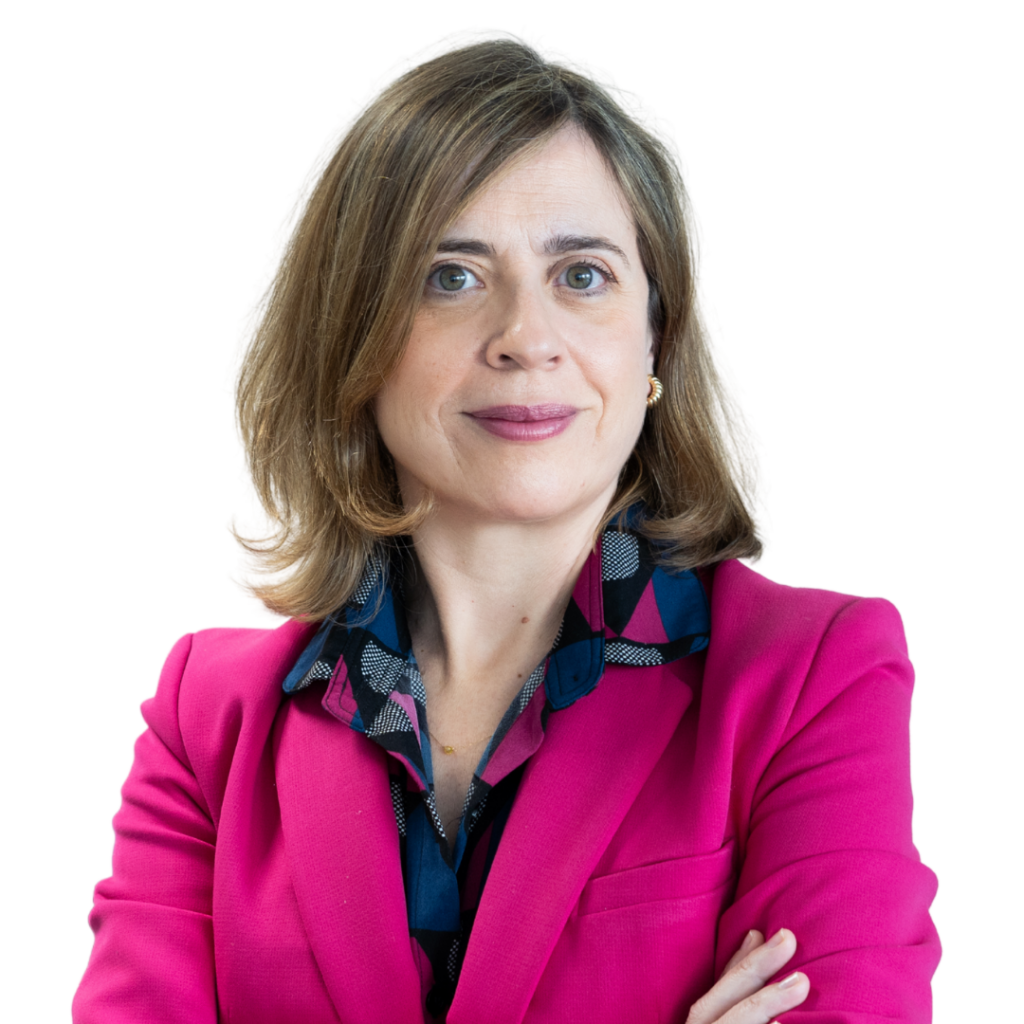
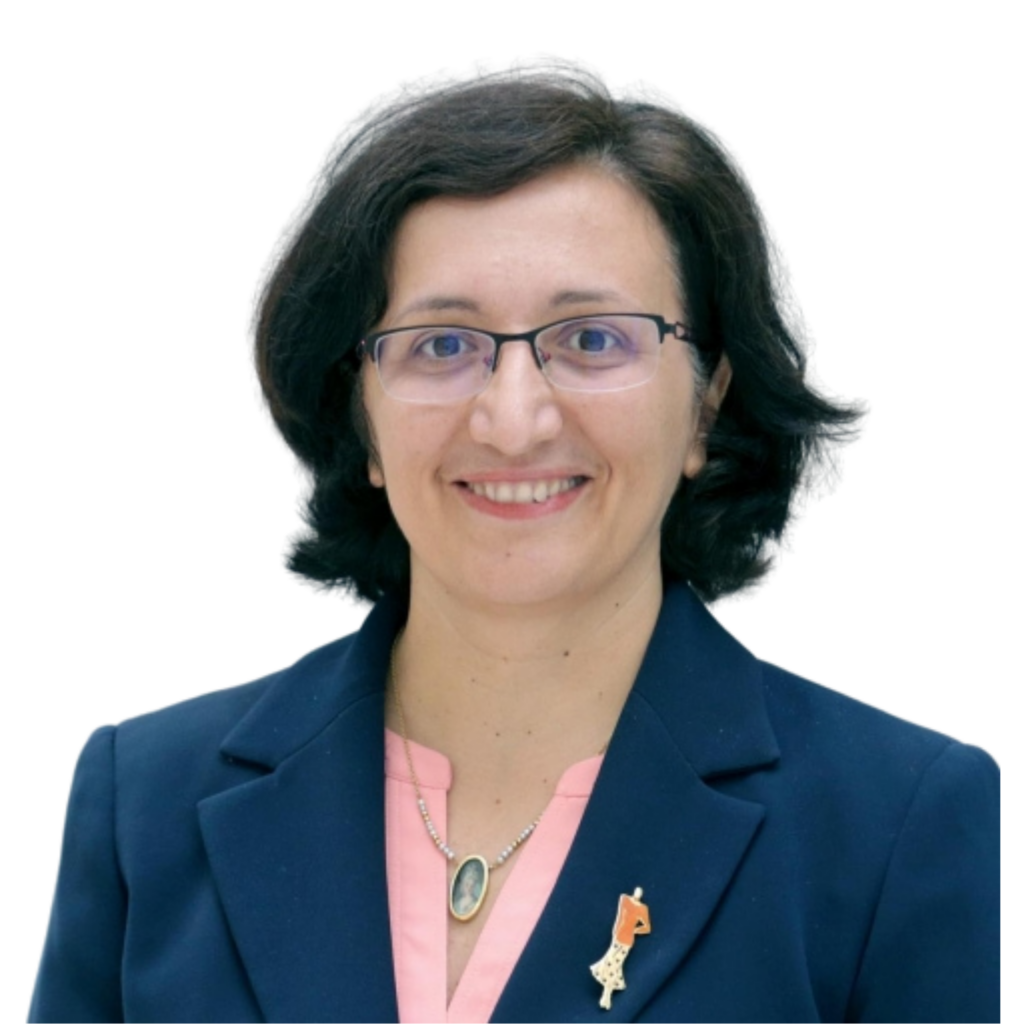
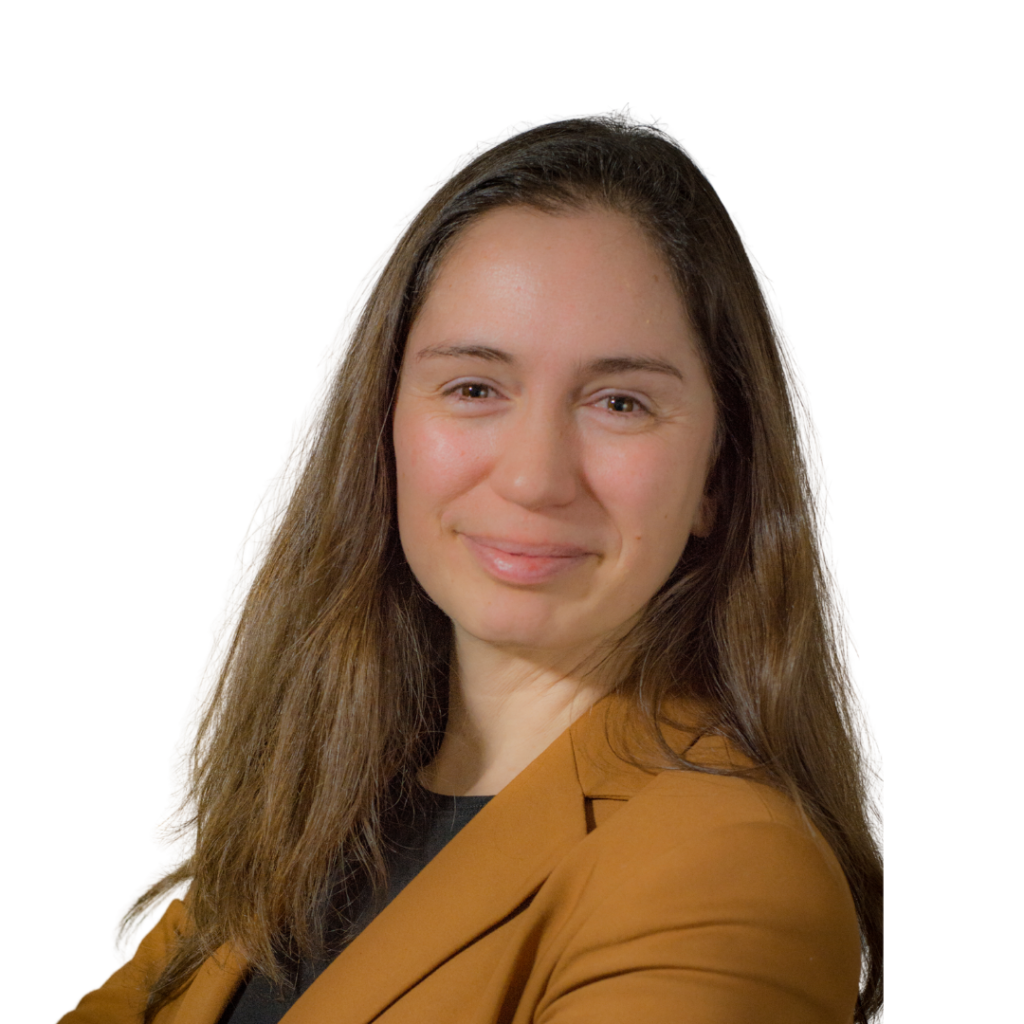
Raquel Jorge
Director for European Affairs and Director of the Brussels Office at Adigital
Raquel Jorge is Director for European Affairs and Director of the Brussels Office at Adigital, the Spanish Association for the Digital Economy. As part of DigitalEurope, the European leading trade association on the digital industry sector, she is the Chair of the inaugural Executive Committee for Policy Advisory. She is an Associate Research Fellow at CEPS, leading the portfolios on technology diplomacy and the international angle of economic security. She is also an Associate Research Fellow at Elcano Royal Institute, where she led the Working Group on Technology Policy for more than four years. She is member of the Advisory Council at CDTI, the Spanish Business Public Entity responsible for the promotion of technological innovation and financing, on an unpaid, independent basis (2024-2027), part of the Ministry of Science, Innovation, and Universities.
Raquel Jorge’s professional experience combines policy research and advisory with stakeholders’ engagement and negotiations in the public sector, think tanks and industry associations.
She has been Project Lead in the European Union’s project on the international dimension of Internet governance at the European University Institute (EUI), a project jointly funded by the European External Action Service and DG CONNECT (European Commission). In the past, she has worked as Technical Assistance Advisor in the consultation and negotiation phase of the then-prepared National Strategy on Technology and Global Order at Spain’s Ministry of Foreign Affairs. She has also worked as an independent expert consultant for the European Commission mapping national AI strategies and has provided trainings to EU diplomats on technology diplomacy. Internationally, she has supported digital public policy projects at the Harvard University’s Berkman Klein Center for Internet & Society, has worked as independent expert for the Business Ready 2025 report at the World Bank Group, and has developed projects on humanitarian technologies at a UK-based consultancy firm, Development Initiatives Ltd., for governments and international institutions.
As a former Fulbright Fellow granted by the U.S. State Department, she holds a Master’s in Security Policy, specialized in technology policy, from the Elliott School of International Affairs at the George Washington University (Washington, DC). Her background is on Political Science and Public Administration, and Sociology, from the University of Valencia (Spain) and Université Paris X Ouest Nanterre-La Défense in Paris (France). She is part of the Younger Generation Leaders Network at the European Leadership Network, and has been named as one of Emerging Young Leaders across Europe in the “35 Under 35” List from Santander Bank-CIDOB. Also, she has been selected as 2026 European Fellow in the International Strategy Forum (ISF) Fellowship, which yearly selects 25 global emerging leaders in global affairs and technology policy.
A Spanish national, Raquel Jorge is fluent in English and French, and has a pre-intermediate level of Mandarin Chinese.
Itinerary 3: Talent and training
An expert insight into Europe’s skills gap and labour market challenges, highlighting
implications for business competitiveness. The discussion will focus on the role chambers
can play in training, talent attraction and workforce adaptation.
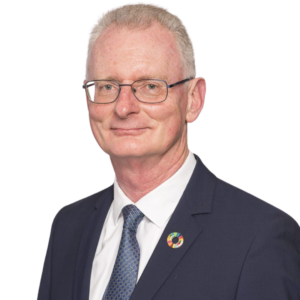
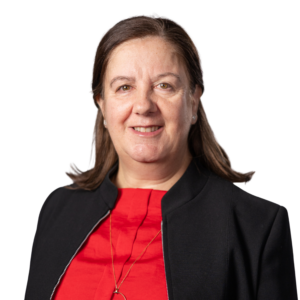
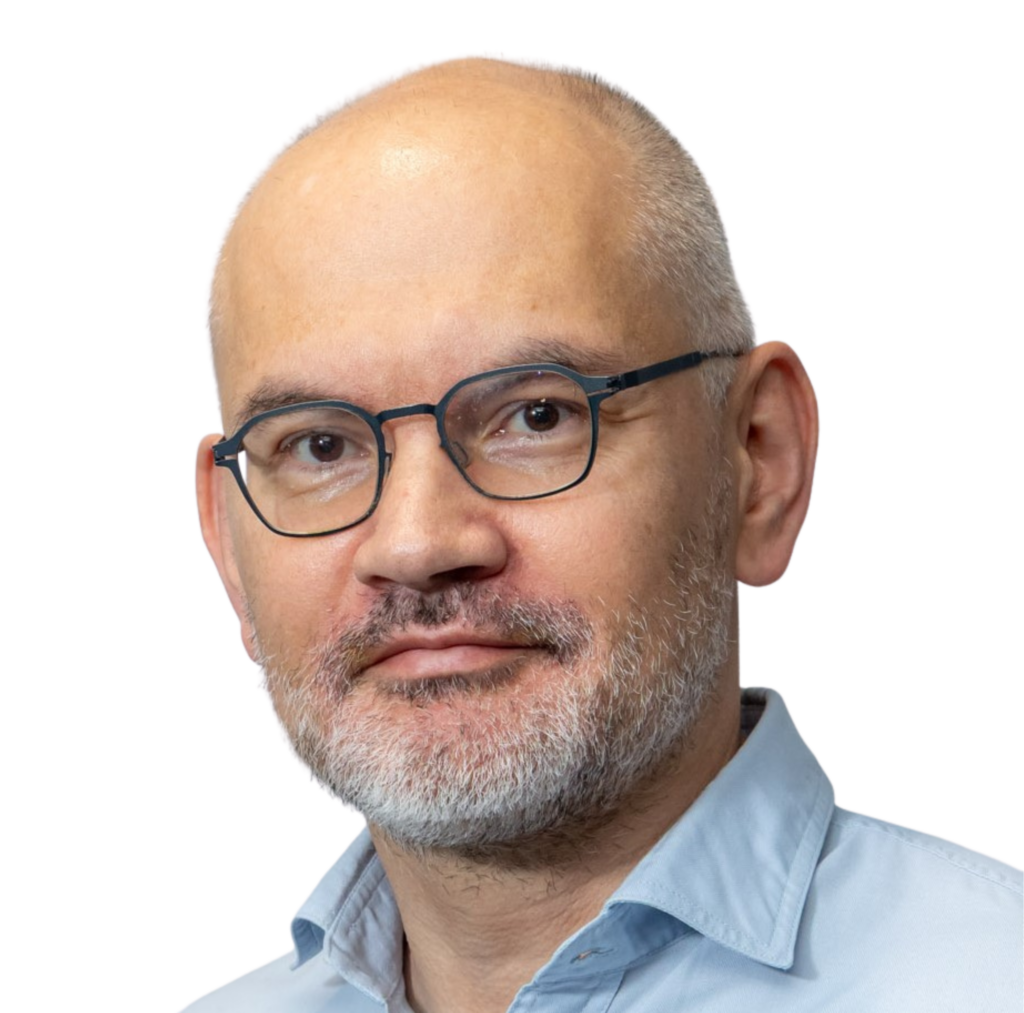
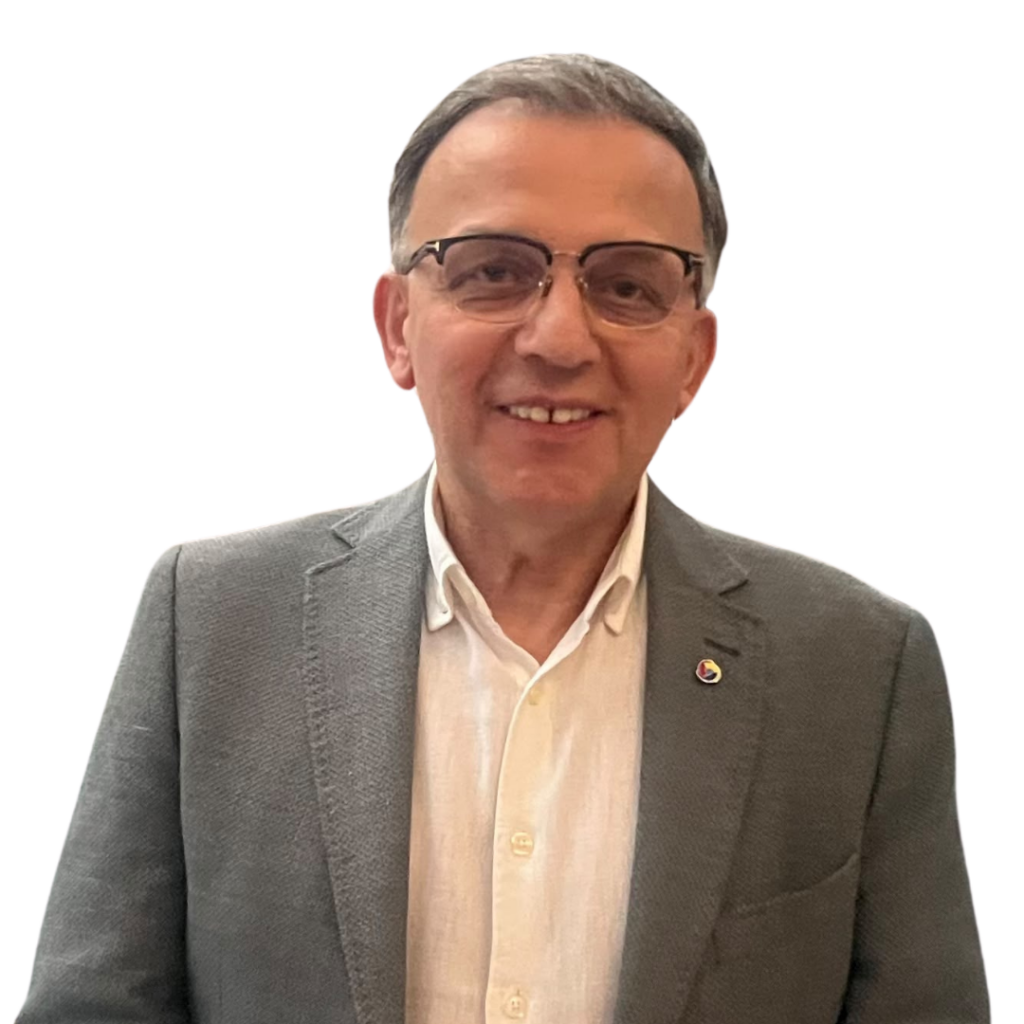
Jasper van Loo
Department coordinator for skills and labour market at Cedefop
Jasper Van Loo is coordinator of Cedefop’s department for VET and Skills. He currently coordinates the labour market and skills analysis work of the agency. He is also part of the skills intelligence and foresight team. Jasper has a master’s degree in quantitative and general economics and holds a Ph.d. in social sciences.
13:00h - 14:30h
14:30h - 15:45h
Thematic sessions: collaborative workshops
Participants will stay within their selected track to turn insights into action. Through hands-on discussions, best practices and peer learning, this workshop session focuses on practical solutions and real-world approaches that chambers can apply in their daily work.
Itinerary 1: Sustainable competitiveness
An expert perspective on how sustainability and competitiveness can reinforce each other in the current European framework. The discussion will explore how chambers can help companies reconcile regulatory requirements with growth, innovation and resilience.
Itinerary 2: Digital transformation & AI
A strategic overview of Europe’s digital agenda and AI framework, with a focus on what it means in practice for SMEs. The exchange will examine how chambers can support digital uptake, compliance and innovation across their membership.
Itinerary 3: Talent and training
An expert insight into Europe’s skills gap and labour market challenges, highlighting
implications for business competitiveness. The discussion will focus on the role chambers
can play in training, talent attraction and workforce adaptation.
15:45h - 16:15h
16:15h - 17:00h
Plenary | Securing Europe's industrial revival.
A forward-looking discussion on how Europe can reinforce its industrial base in an era of
global competition, supply chain volatility and technological transformation. The session
will examine the strategic conditions required for industry to invest, innovate and scale,
and reflect on how chambers can contribute to a stable, competitive and business-
friendly environment across Europe.
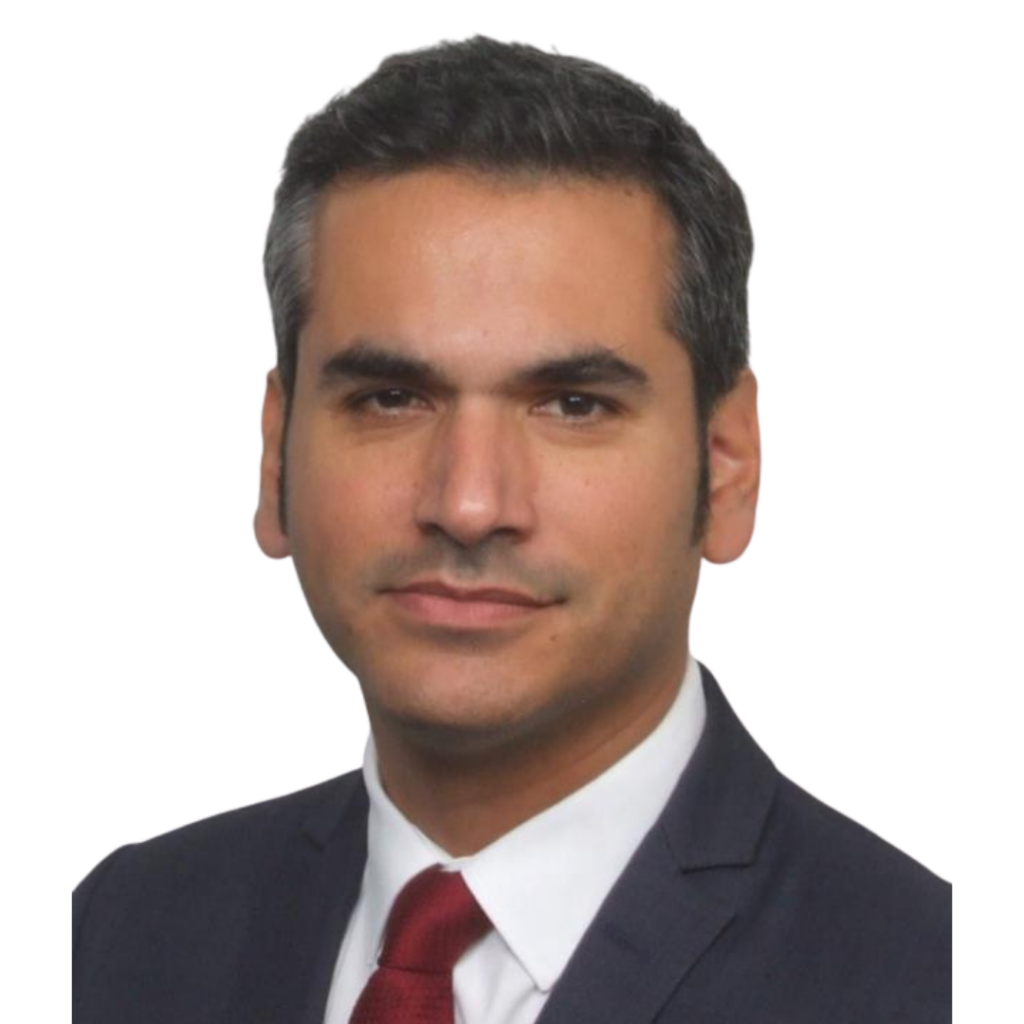
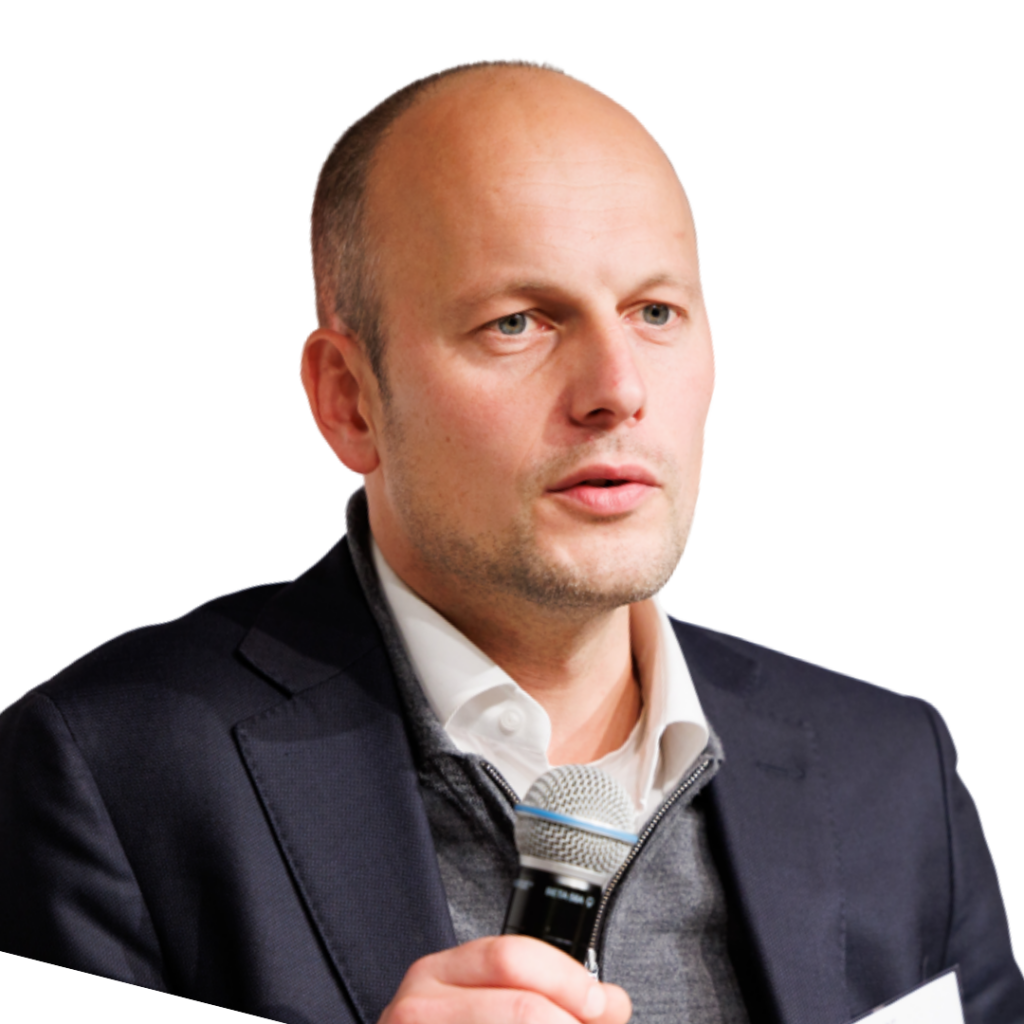
Román Arjona
Chief Economist, European Commission DG GROW
In addition to his role at the European Commission, Román Arjona is Vice-Chair of the OECD’s Committee for Industry, Innovation and Entrepreneurship (CIIE). He is also a member of CEPR’s European Economic Policy Network.
He was Chief Economist and Head of Strategy and Foresight at the Directorate-General for Research & Innovation, and Vice-Chair of the OECD’s Committee for Science and Technology Policy (CSTP). He previously served in the Spanish government as Secretary-General for Science, Technology and Innovation, and before joining the Commission he was an adviser to the Spanish State Secretary and the Spanish Minister for Science and Technology.
Mr Arjona worked for the European Investment Bank and the International Monetary Fund as well as for the OECD as an economist. He is a former member of the World Economic Forum’s High-Level Advisory Group of the Europe Inclusive Growth and Competitiveness Lab, and of its Global Agenda Council on New Growth Models.
Román graduated in Economics at the University of Valencia with a special distinction and holds a Masters’ degree in European Economic Studies from the College of Europe in Bruges and a PhD in Economics from the European University Institute in Florence.
17:00h - 17:15h
Day 2: Key takeaways.
The host closes the first day with the main conclusions of the day.