Designed for Congress participants, the Delegates Pass provides full access to the conference programme, including all plenary and thematic sessions, networking events, visit of the entrepreneurship hub, social activities and catering throughout the two-day event.
Monday
28 September
morning
10:00h - 12:00h
12:30h - 13:30h
Guided visit to 'Marina de Empresas' Valencia’s entrepreneurship hub
Driven by Juan Roig in Valencia’s Marina, Marina de Empresas is a unique ecosystem dedicated to training, supporting, and investing in entrepreneurial talent. It brings together three complementary initiatives: EDEM, a business school focused on training entrepreneurs, executives, and business leaders; Lanzadera, an accelerator that helps startups grow; and Angels, an investment company that backs entrepreneurial leaders to build sustainable businesses. Together, they connect education, acceleration, and investment in one shared space, strengthening the business community and promoting wealth creation, employment, and innovation.
Afternoon
15:00h – 15:30h
15:30h – 16:00h
Official opening
Institutional opening of the Congress: a welcome to the host country and to the content of the Congress.
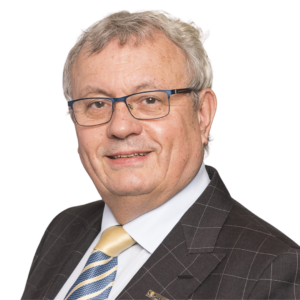
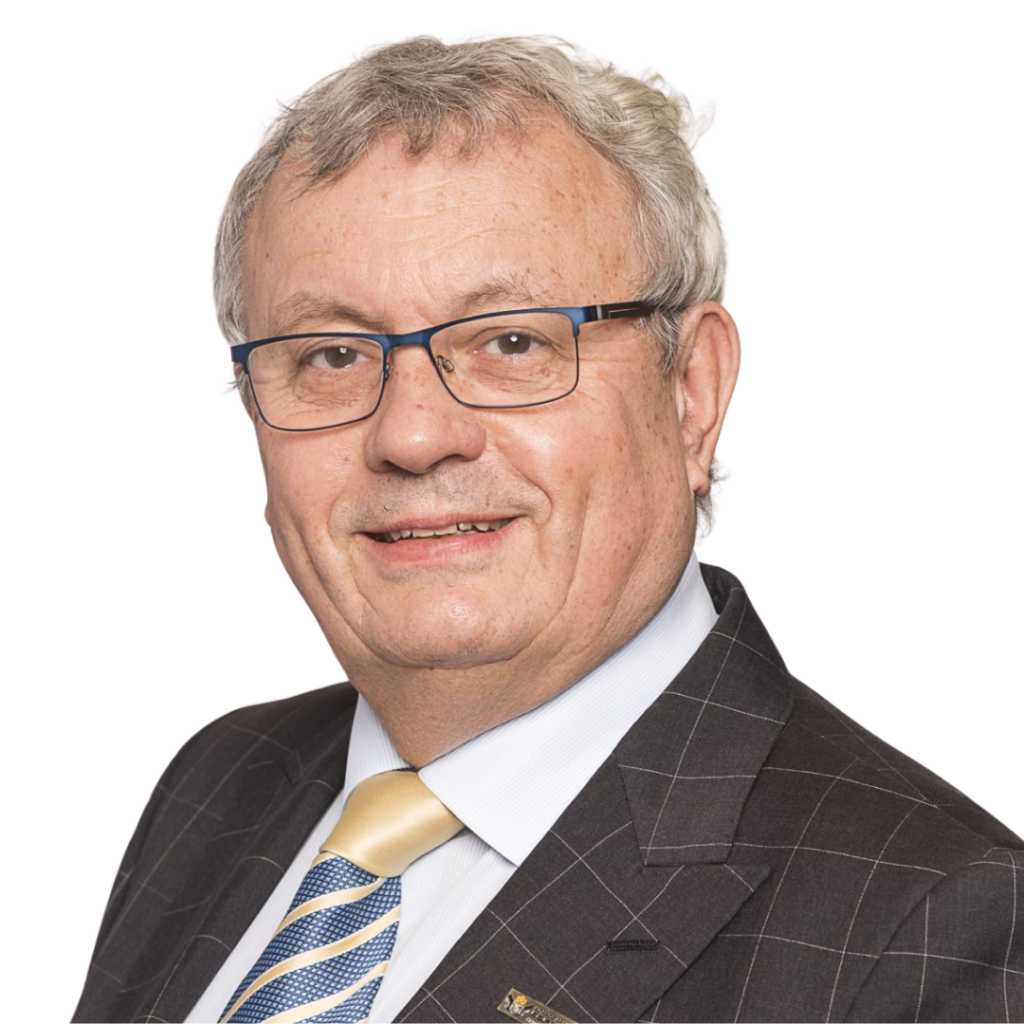
Vladimír Dlouhý
Eurochambres President
Vladimír Dlouhý is the President of Eurochambres and former President of the Chamber of Commerce of Czech Republic. In addition, he is a qualified mathematician with a PhD from the Czechoslovak Academy of Sciences and a member of the International Advisory Group of Goldman Sachs International in London. He further sits on the Supervisory Group of Kooperativa, a.s. in Prague and Česka Zbrojovka Group SE. He also chairs the Advisory Board of the Meridiam Infrastructure in Paris.
From 1989 to 1990, he served as Deputy-Prime Minister of the Czechoslovak Government. In June 1990 was elected to the Federal Parliament, appointed as the Federal Minister of Economy. In 1992, after the separation of Czechoslovakia, he became Minister of Industry and Trade of the Czech Republic.
In addition, he is an associated professor at the Faculty of Social Sciences, Institute of Economic Studies, Charles University in Prague and a member of the Board of Directors of the Czech Technical University and the Brno University of Technology. Until 2013, he was member of the Board of International Overseers of the Illinois Institute of Technology.
Mr Dlouhý holds degrees in Mathematical Economics and Econometrics from the Prague School of Economics and Mathematical Statistics and Probability from Charles University. He holds an MBA from the Catholic University of Louvain and a PHD from the Czechoslovak Academy of Sciences. He is fluent in English, Spanish and Russian and speaks French and German.
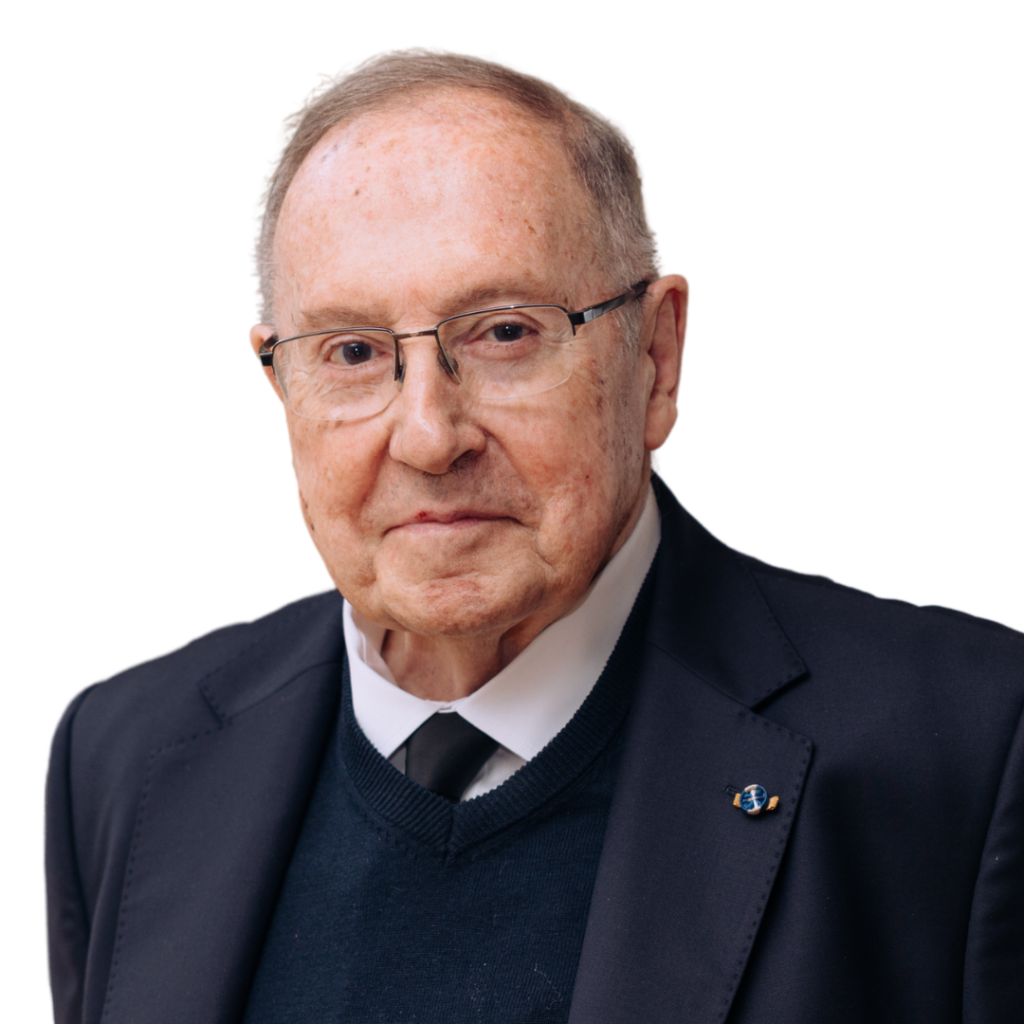
José Luis Bonet
President of the Spanish Chamber of Commerce
16:00h - 16:45h
Plenary session | Strengthening competitiveness through the single market
Thirty years on from its creation, the single market remains Europe’s most powerful economic lever, yet its potential remains unfulfilled. What began as a bold vision to eliminate borders and spur integration is increasingly bogged down by internal fragmentation and shifting political priorities.
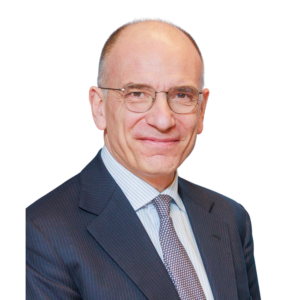
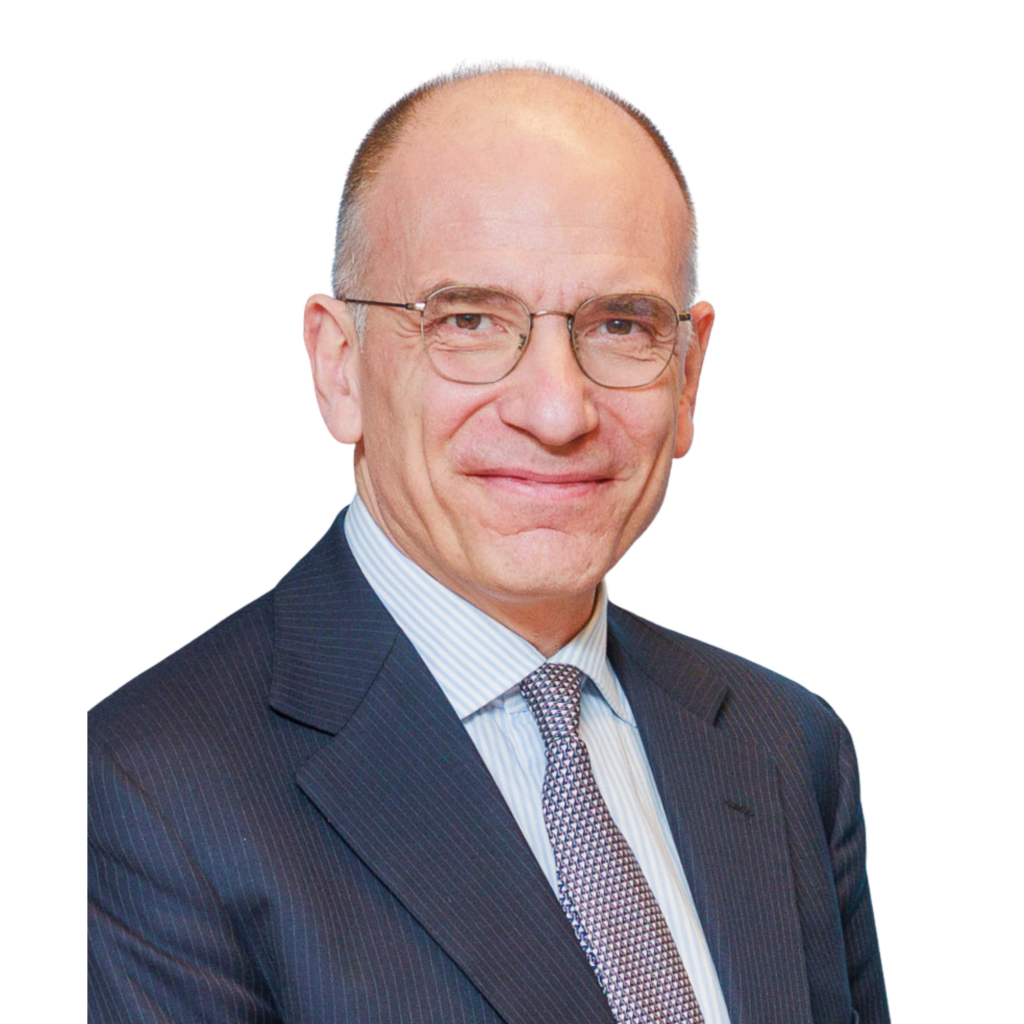
Focusing on the gap between ambition and delivery, the session will address stalled progress across measurable KPIs (e.g. trade integration in goods and services), persistent governance bottlenecks, changing political priorities, and a loss of strategic focus. Enrico Letta will also explore necessary structural reforms, namely across capital, services, and R&D&I, to overcome internal fragmentation, rebuild momentum, and reinforce Europe’s global competitiveness.
16:45h - 17:30h
Plenary session | Electrification: the key to Europe’s competitiveness and security
Recent energy shocks have served as a stark reminder that Europe’s reliance on energy imports remains an Achilles’ heel for its economic competitiveness, particularly in energy-intensive industries. Electrification offers an opportunity to strengthen Europe’s energy security and competitiveness while advancing decarbonisation, but practical barriers, such as lengthy permitting procedures, insufficient grid capacity and investment gaps, continue to hamper progress.
This session will examine how Europe can accelerate the electrification of its economy while maintaining security of supply and ensuring affordability. It will explore the investment needed in generation, grids, storage and flexibility, as well as how stronger cooperation between member states can deliver a more integrated and resilient European electricity system.
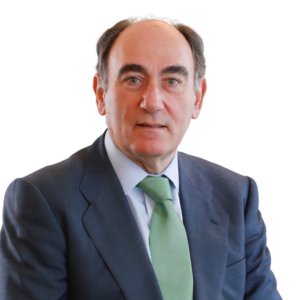
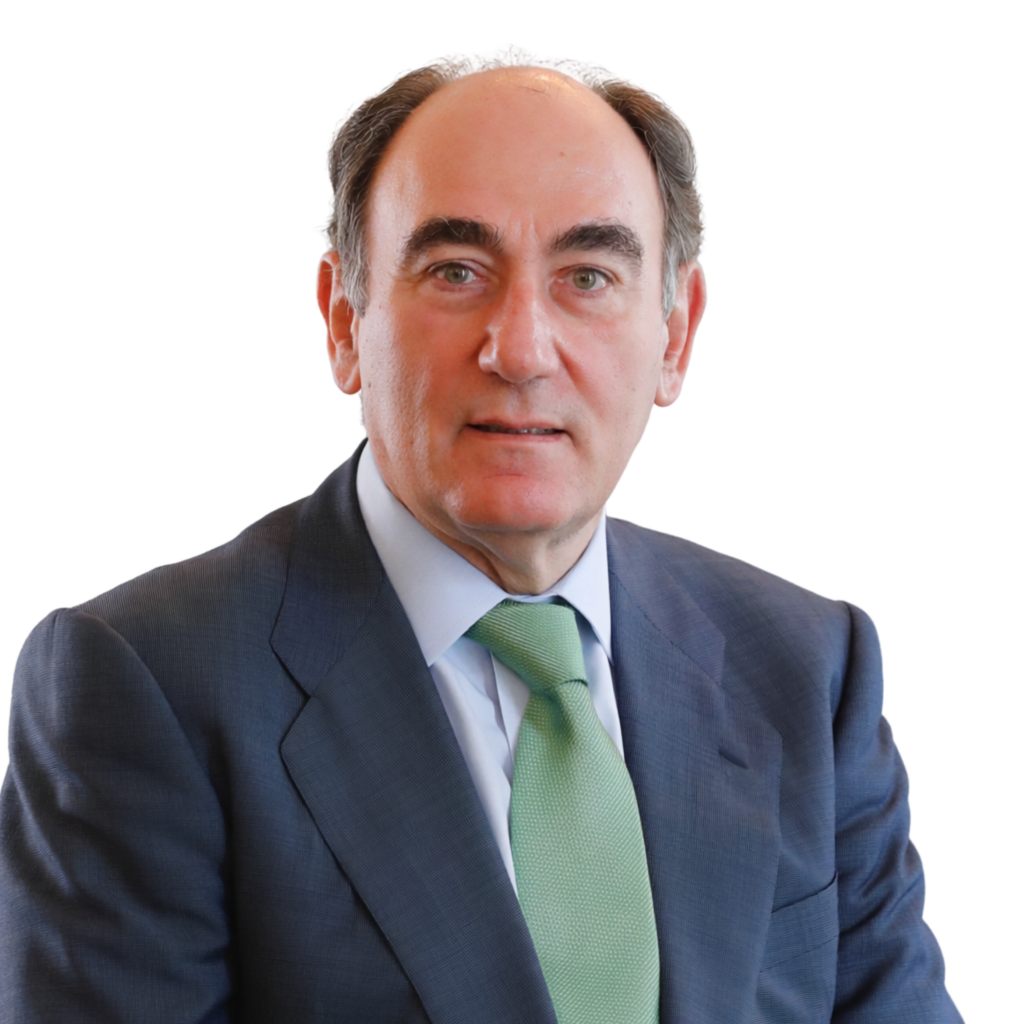
Ignacio Sánchez Galán
Executive President of Iberdrola
17:30h - 18:30h
Panel Session | What does the geopolitical context mean for chambers of commerce and industry?
For centuries, chambers have helped their member companies navigate a range of challenges, ranging from political upheaval, war, or natural disaster to the twin transition or administrative burdens. European businesses currently find themselves confronted with a complex combination of unfavourable conditions linked to the volatile geopolitical context. This context is characterised by Russia’s unprovoked aggression towards Ukraine, heightened tensions in the Middle East, Transatlantic trade uncertainty, a soaring trade imbalance with China and a multilateral trading order that is under severe strain.
The European response is slow, confused and disjointed, undermined by short-term political expediency at national level and complex, unwieldy EU decision making procedures.
The situation doesn’t impact internationally active businesses only, it impacts all of them, regardless of size or sector.
What does this all mean for chambers of commerce and industry? How can they support their member businesses in this context? and, in an increasingly digitalised society and a fast-evolving economy, do they want these services delivered to them differently?
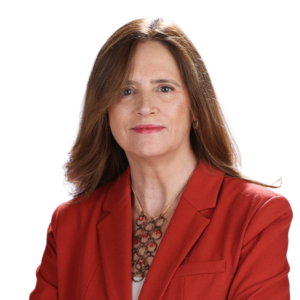
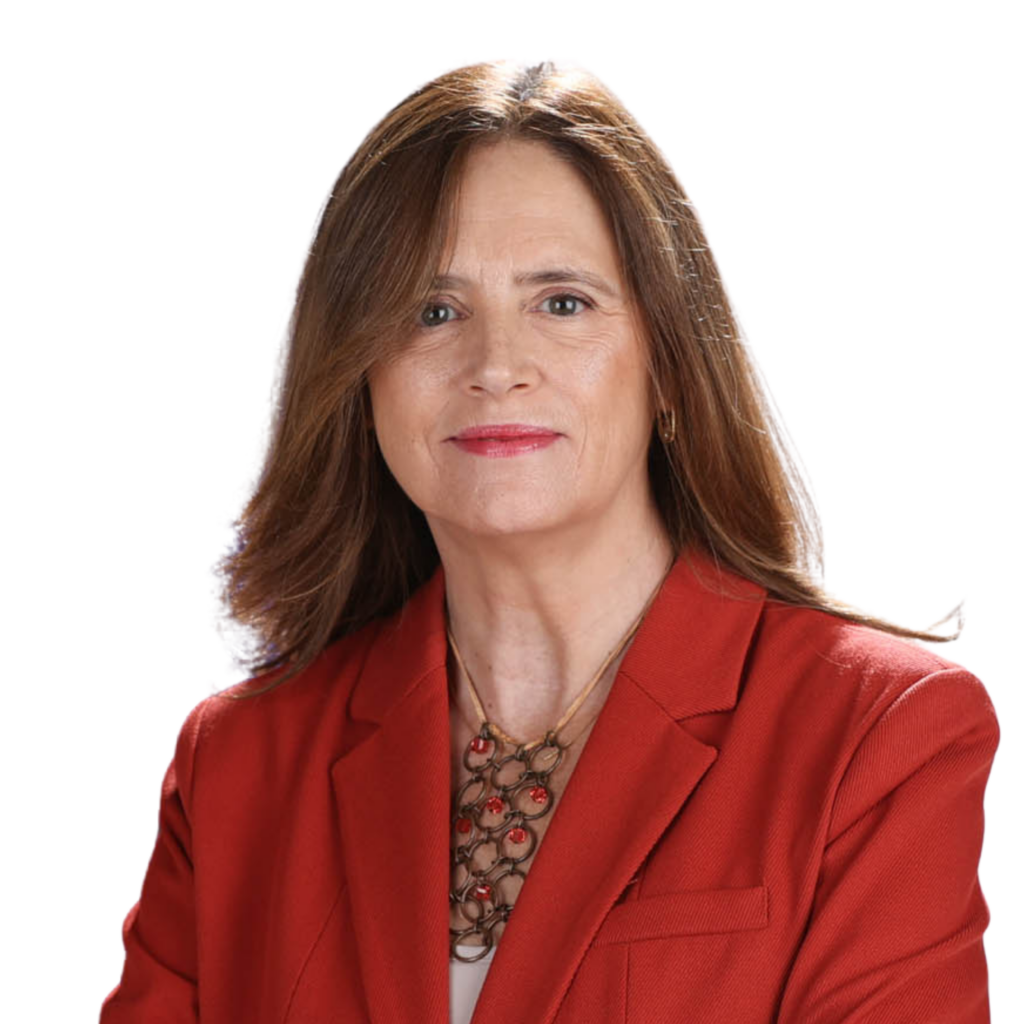
Isabel Riaño
Director-General for Competitiveness and Trade, Council of the EU
Isabel Riaño is currently Director-General for Competitiveness and Trade in the General Secretariat of the Council of the EU. Before joining the Council, she served as Director-General in charge of European and international affairs in the cabinet of Spain’s Deputy Prime Minister and Minister for Economic Affairs. She is an expert in international financing, particularly in economic and monetary issues within the European Union.
From 2008 to 2013, she served as Financial Counsellor at the Permanent Representation of Spain to the EU, where she managed the Economic and Financial Unit and prepared and coordinated ECOFIN, Eurogroup and European Council meetings, among others.
She has an extensive career in various management positions within Spanish ministries, specialising in European Union policies and international economic affairs. From 2017 to 2018, she was Advisor to the Secretary-General of the Treasury, and she worked as Director-General for International Finance at the Spanish Ministry of Economy and Finance from 2006 to 2008. She also served as Economic and Trade Counsellor of Spain in Toronto, Canada, from 1999 to 2004.
Isabel Riaño holds a Bachelor’s degree in Economics from Universidad Pontificia Comillas (ICADE). She joined the Spanish Civil Service as a High-Level Official with the Ministry of Economy and Finance in 1991. She speaks Spanish, English and French fluently.
Julian Kassum
Deputy Secretary General - Network and a member of the executive committee of the International Chamber of Commerce (ICC)
Julian Kassum is Deputy Secretary General – Network and a member of the Executive Committee of the International Chamber of Commerce (ICC). He oversees ICC’s global network across more than 170 economies and serves as Director of the ICC World Chambers Federation. Julian leads major initiatives supporting SMEs and entrepreneurship and previously headed ICC Brazil and ICC Argentina. He is a graduate of Sciences Po Paris and holds French, Canadian and British citizenship.
Ian Talbot
Chief Executive of Chambers Ireland and Secretary General of the International Chamber of Commerce (ICC) Ireland
Ian Talbot is Chief Executive of Chambers Ireland and Secretary General of the International Chamber of Commerce (ICC) Ireland. Prior to those appointments Ian held positions as a Director of Citigroup and JP Morgan Chase in Ireland for 18 years. He qualified as a Chartered Accountant with Price Waterhouse, working in their Dublin and Luxembourg offices, and also holds MA and BBS degrees from Trinity College, Dublin. He is a member of the National Economic and Social Council in Ireland and a Director of ESB Networks DAC – the Irish national electricity grid, and Eurochambres – the Association of European Chambers of Commerce. In 2025 Ian was appointed a Trade Champion by the European Commission.
18:30h - 18:45h
Summary key points
The host closes with the main conclusions of the day
Evening
20:00h - 22:00h
Welcome cocktail
An informal meeting to welcome all the participants of the Eurochambres Congress 2026, in a relaxed atmosphere designed to promote networking.
Dress Code: Cocktail attire
Tuesday
29 September
Morning
09:15h - 09:30h
09:30h - 09:45h
Amparo López
Secretary of State for Trade, Government of Spain
She currently holds the position of Secretary of State for Trade at the Ministry of Economy, Trade and Enterprise, which is responsible for the functions relating to the definition, development and implementation of the State’s trade policy, in matters of foreign and domestic trade, including intra-Community trade, as well as the competitive strategy of internationalisation policy, foreign investment and foreign transactions, and the activities for the promotion and internationalisation of Spanish companies.
From 2018 until her appointment as Secretary of State, she held the position of Undersecretary of this Ministry, participating in the drafting of important laws due to their impact on the economy, such as the Law on Business Creation and Growth, the Start-ups Law, the reform of the Insolvency Law, and in the design and implementation of the investments corresponding to the Recovery, Transformation and Resilience Plan, among others.
López Senovilla has also served as State Attorney at the High Court of Justice of Catalonia (2005–2010), at the Legal Service of the Spanish State Tax Administration Agency and at the Deputy Directorate-General for Litigation Services of the State Legal Service (2013–2018).
She is a member of the Board of Directors of SEPI and an honorary member of AEMPI, the Association of Women Professionals in Insolvency.
09:45h - 10:45h
Panel Session | The impact of AI on the economy and chamber services
This panel will explore how AI is reshaping productivity, competitiveness and business transformation across Europe. Drawing on evidence that AI adoption remains uneven across countries, sectors and firm sizes, while offering significant productivity gains when effectively integrated into business processes, the discussion will bring together perspectives from a European chamber of commerce, the OECD and a digital industry association. Speakers will examine the key drivers of adoption, barriers SMEs are facing, and the policy and business actions needed to accelerate Europe’s AI transition.
Raquel Jorge
Director for European Affairs and Director of the Brussels Office at Adigital
Raquel Jorge is Director for European Affairs and Director of the Brussels Office at Adigital, the Spanish Association for the Digital Economy. As part of DigitalEurope, the European leading trade association on the digital industry sector, she is the Chair of the inaugural Executive Committee for Policy Advisory. She is an Associate Research Fellow at CEPS, leading the portfolios on technology diplomacy and the international angle of economic security. She is also an Associate Research Fellow at Elcano Royal Institute, where she led the Working Group on Technology Policy for more than four years. She is member of the Advisory Council at CDTI, the Spanish Business Public Entity responsible for the promotion of technological innovation and financing, on an unpaid, independent basis (2024-2027), part of the Ministry of Science, Innovation, and Universities.
Raquel Jorge’s professional experience combines policy research and advisory with stakeholders’ engagement and negotiations in the public sector, think tanks and industry associations.
She has been Project Lead in the European Union’s project on the international dimension of Internet governance at the European University Institute (EUI), a project jointly funded by the European External Action Service and DG CONNECT (European Commission). In the past, she has worked as Technical Assistance Advisor in the consultation and negotiation phase of the then-prepared National Strategy on Technology and Global Order at Spain’s Ministry of Foreign Affairs. She has also worked as an independent expert consultant for the European Commission mapping national AI strategies and has provided trainings to EU diplomats on technology diplomacy. Internationally, she has supported digital public policy projects at the Harvard University’s Berkman Klein Center for Internet & Society, has worked as independent expert for the Business Ready 2025 report at the World Bank Group, and has developed projects on humanitarian technologies at a UK-based consultancy firm, Development Initiatives Ltd., for governments and international institutions.
As a former Fulbright Fellow granted by the U.S. State Department, she holds a Master’s in Security Policy, specialized in technology policy, from the Elliott School of International Affairs at the George Washington University (Washington, DC). Her background is on Political Science and Public Administration, and Sociology, from the University of Valencia (Spain) and Université Paris X Ouest Nanterre-La Défense in Paris (France). She is part of the Younger Generation Leaders Network at the European Leadership Network, and has been named as one of Emerging Young Leaders across Europe in the “35 Under 35” List from Santander Bank-CIDOB. Also, she has been selected as 2026 European Fellow in the International Strategy Forum (ISF) Fellowship, which yearly selects 25 global emerging leaders in global affairs and technology policy.
A Spanish national, Raquel Jorge is fluent in English and French, and has a pre-intermediate level of Mandarin Chinese.
Endre Molnár
Research Director of Institute for Economic and Enterprise Research
Dr. Endre Mihály Molnár is an Assistant Professor at the Corvinus University of Budapest, Institute for Entrepreneurship and Innovation with a Ph.D. in Corporate Finance. His academic teaching focuses on venture capital, corporate finance, business planning, and financial decision-making.
He is also the research director of the Institute for Economic and Enterprise Research, a subsidiary of the Hungarian Chamber of Commerce and Industry. He is the representative of Hungary in the European Chamber of Commerce and Industry in two sections: Single Market and Economic Policy.
Dr. Molnár’s primary research interests lie in early-stage corporate financing and venture capital. He has led and participated in several national and international research projects, examining topics such as government involvement in venture capital, the Hungarian startup ecosystem, and the effects of private equity investments on innovation. His work has been published in high-ranking journals such as European Journal of Innovation Management, Sustainable Futures, Humanities & Social Sciences Communications, and Acta Oeconomica. He is a reviewer for multiple scientific journals such as Small Business Economics and actively engages in international academic discourse.
Before his academic career, Dr. Molnár gained professional experience as a financial analyst and risk manager at major investment firms. His contributions to research and education have been recognized with several honors, including the Corvinus Research Excellence Award and the New National Excellence Program Award.
Dr. Molnár is a member of the Hungarian Economic Association, the Hungarian Academy of Sciences’ Committee on Business Administration, the European Finance Association, and the Academy of International Business. Beyond academia, he maintains a strong commitment to bridging research and practice in the fields of innovation and entrepreneurial finance.
Lucía Cusmano
Head of the SMEs and Entrepreneurship Division, OECD
Lucia Cusmano is Head of the SME and Entrepreneurship Division at the OECD Centre for Entrepreneurship, SMEs, Regions and Cities (CFE), where she leads the OECD agenda to strengthen entrepreneurial ecosystems, enhance SME innovation, resilience and competitiveness, foster SME performance through the digital and green transitions, enhance SME participation to global trade and value chains, and support innovation-driven, inclusive growth.
Prior to this position, Ms Cusmano served in various positions in CFE, leading the development of the OECD SME and Entrepreneurship Strategy and authoring main OECD reports on SME financing, innovation and sustainability, and benchmarking of SME and entrepreneurship policy.
Ms Cusmano holds a PhD in Economics from the University of Pavia (Italy) and an MSc in Economics from the University of Warwick (UK). She has published widely in international journals on SMEs, entrepreneurship, innovation, globalisation, structural change and economic development.
10:45h - 11:30h
11:30h - 12:30h
Parallel thematic sessions – Part 1: expert perspectives
Participants will choose one of three thematic itineraries, which will guide their discussions throughout the day. Each itinerary opens with a moderated conversation featuring two expert speakers who will share insights on the latest policy developments, emerging trends and strategic challenges shaping the topic.
Itinerary 1: Sustainable competitiveness (Sala Martín y Soler)
The green transition remains a key pillar of Europe’s competitiveness and economic resilience. Yet despite recent efforts to simplify legislation, many businesses continue to experience the transition as a source of higher costs, more complex rules and fewer resources available for investment and innovation.
This session will explore how Europe can reconcile sustainability with industrial competitiveness and how to turn compliance into a competitive advantage. Bringing together policy experts and the chamber network, the discussion will examine the obstacles businesses face and which policies and support measures are needed to deliver a more business-friendly transition
María Antonia Izquierdo Caballero
Project Officer at the European Commission’s Joint Research Centre
María-Antonia Izquierdo is an environmental project officer at the European Commission’s Joint Research Centre (JRC) in Seville, where she serves as BREF Author in Unit B5 – Circular Economy and Sustainable Industry, within the EU-BRITE team (European Bureau of Research for Industrial Transformation and Emissions). Her work focuses on supporting the development of the EU Industrial Emissions Directive through the drafting and revision of Best Available Techniques Reference Documents (BREFs), which help industry, permitting authorities and policymakers identify effective and economically viable techniques to reduce environmental impacts.
Drawing on technical exchanges with industry representatives, Member States, environmental NGOs and other stakeholders, she analyses industrial processes, environmental performance and emerging solutions to support the definition of Best Available Techniques (BAT). Her work contributes to the EU’s objectives on industrial transformation, pollution reduction and sustainable competitiveness.
She holds a double degree in Civil Engineering from the Universitat Politècnica de València (UPV) and ESTP Paris. Her professional background combines experience in environmental regulation, public policy implementation and technical project management in both the public and private sectors. She has received several distinctions, including the “Leonardo Torres Quevedo” National Innovation in Engineering Award and the European Mobility Week Award.
Georg Riekeles
Associate Director and Head of Europe's Political Economy Programme, European Policy Centre
Georg E. Riekeles is Associate Director at the Brussels-based think tank, the European Policy Centre (EPC), and co-Director of the Brussels Economic Security Forum. He has 20 years of experience at the heart of EU policymaking. Before joining the EPC, he spent eleven years at the European Commission, the five last as diplomatic advisor responsible for strategy and interinstitutional relations in the EU-UK Brexit negotiations. Prior to that, he worked in the Commission President’s in-house policy planning team as adviser on security and defence, as a member of cabinet of the EU Internal Market Commissioner, and in French civil service. His research interests cover today’s geopolitical and economic shifts, EU trade, internal market, energy and tech policies, as well as security and defence issues.
Itinerary 2: International Trade (Sala Joaquín Rodrigo)
It remains important for European competitiveness that businesses are aware of the opportunities and support they have in tapping into the world’s leading growth centres. At the same time, the unprecedented geopolitical volatility makes it essential that companies mitigate risks and public administrations ensure a trading environment that addresses unfair competition that increasingly undermines the level playing field for businesses both at home and abroad.
The session will therefore explore what instruments companies have at their disposal at regional, national level and EU level to optimise their competitive position in key global markets, from the United States, to Latin America, Africa and South East Asia, and how chambers can continue to be frontrunners in helping our business succeed globally.
Sofía Muñoz
Director of Resources, Information and Policy Coordination at the European Commission
Sofia Munoz Albarran, a Spanish national, holds two Master’s Degrees in international politics and European Law and a PhD in political transitions in Eastern and Central Europe. Before joining the Commission in 1998, she worked as a lawyer responsible for Spanish competition cases. During her long career at the Commission, she acquired extensive knowledge in various fields of trade policy. Between 1998 and 2001, she was handling trade defence investigations, including overall legal consistency and multilateral aspects in the WTO. Moreover from 2001 to 2005 she was bilateral coordinator for trade relations with Russia and Ukraine. Between 2007 and 2015 she worked as Head of Unit and Deputy Head of Unit at DG TRADE handling, among others, trade relations with Eastern Partners, Turkey and Russia, Association Agreements with Southern Mediterranean Partners and Euro-Mediterranean trade regional aspects. From 2015 until 2023 Ms. Munoz led the unit responsible for Resources, HR Correspondent and Planning for many years as Head of Unit.
In September 2023 she was appointed as Director for Resources, Inter-Institutional Relations, Communications and Civil Society.
In this position she oversees the Directorate’s responsibilities, aiming to provide a high quality service that supports the delivery of the DG’s policy goals both in headquarters and in EU Delegations, in particular, by
· ensuring that the DG has the necessary human, financial and IT resources to do our job;
· maintaining open and effective relations with the other EU institutions, our Member States and with civil society
· communicating clearly about what we do and why we do it
· supporting the work of the Chief Operating Officer to enhance collaboration and innovation in the way we work together, and knowledge management.
Itinerary 3: Talent and training (Sala Lucrecia Bori)
Europe’s talent challenge is becoming one of the defining competitiveness issues of the coming decades. Demographic change, technological transformation (including AI) and evolving skills needs are reshaping labour markets, while labour and skills shortages increasingly constrain business growth and innovation.
This session will explore how Europe can build the skills needed for the future economy through vocational education and training, lifelong learning and stronger skills ecosystems. Bringing together European institutions and the chamber network, the discussion will examine how businesses, policymakers and chambers can work together to attract, develop and retain talent.
Jasper van Loo
Department coordinator for skills and labour market at Cedefop
Jasper Van Loo is coordinator of Cedefop’s department for VET and Skills. He currently coordinates the labour market and skills analysis work of the agency. He is also part of the skills intelligence and foresight team. Jasper has a master’s degree in quantitative and general economics and holds a Ph.d. in social sciences.
Eva Revilla
Team leader responsible for Skills for Competitiveness, European Commission DG EMPL
Eva Revilla is Team Leader responsible for Skills for Competitiveness at the European Commission’s Directorate-General for Employment, Social Affairs and Inclusion. Previously, she held several positions across the Commission, including overseeing the business creation pillar of the European Institute of Innovation and Technology, supporting industrial clusters and SMEs, and serving as a development cooperation officer in Latin America. She was a member of the Start-ups and Scale-ups Task Force and the Task Force for the Increase of Industrial Production of COVID-19 Vaccines.
She holds a Master’s by Research in Macroeconomics from the University of Limerick, Ireland, and bachelor’s degrees in Business and Economics from Universidad Carlos III de Madrid, Spain.
12:30h - 14:00h
Afternoon
14:00h - 15:00h
Parallel thematic sessions – Part 2: collaborative workshops
Building on the discussions from the first session, participants will remainin their chosen thematic itinerary to explore how chambers can translate strategic challenges into concrete action. Through best practice presentations, peer exchange and facilitated discussions, the workshop will focus on practical approaches, innovative solutions and lessons learned from across the chamber network.
Itinerary 1: Sustainable competitiveness (Sala Martín y Soler)
Itinerary 2: International Trade (Sala Joaquín Rodrigo)
Itinerary 3: Talent and training (Sala Lucrecia Bori)
15:00h - 15:30h
15:30h - 16:15h
Plenary Session | Rethinking the chamber business model
The business environment is changing and chambers are adapting too. This session will explore how chambers can continue to create value for businesses while developing sustainable and future-oriented business models. Drawing on the experience of two chamber leaders, the discussion will look at membership, services, revenues and the evolving expectations of businesses, while considering how chambers can remain relevant and financially resilient in the years ahead.
Marthese Portelli
CEO of the Malta Chamber
Dr Portelli is a law graduate from the University of Malta specialized in applied business law and IT. Throughout her 28 years of working experience she occupied several managerial posts and spearheaded nationwide projects within the public and the private sector.
In 2013 she contested the general election successfully and was re-elected again in 2017, during which she shadowed challenging portfolios including EU affairs, energy, environment, transport, infrastructure, capital projects, planning and property.
Following her departure from politics, she ventured into the sphere of sectoral representation.
Since 1st May 2021 she took on the role as CEO of The Malta Chamber of Commerce, Enterprise and Industry. She is also a visiting lecturer at the University of Malta and sits on the Board of Directors of Malta Business Bureau (MBB), Education Malta, Tech.MT and Trade Malta.
Mustafa Bayburtlu
Deputy Secretary General of TOBB
Mustafa Bayburtlu is Deputy Secretary General of the Union of Chambers and Commodity Exchanges of Türkiye (TOBB), where he is responsible for European Union affairs and international relations. He also serves as Secretary of the Turkish Wing of the EU–Türkiye Joint Consultative Committee.
Bayburtlu began his career in 1988 as an expert at the Research, Planning and Coordination Department of Türkiye’s Ministry of Interior, contributing to the Ministry’s EU legislative alignment work. He joined TOBB in 1993 and subsequently served as EU Manager, Head of the EU Department and Acting Head of Foreign Economic Relations before being appointed Deputy Secretary General.
Throughout his career at TOBB, he has coordinated relations with EU institutions, EUROCHAMBRES, international business organisations and chambers of commerce worldwide. He has managed EU-funded chamber development and business support programmes, contributed to the establishment of TOBB’s representative offices in Brussels and Washington, D.C., and coordinated TOBB’s cooperation with the US Chamber of Commerce.
Bayburtlu has also involved in major regional economic dialogue initiatives. These include the Nicosia Economic Forum, established in 2014 by TOBB, the Union of Hellenic Chambers of Commerce and Industry, the Turkish Cypriot Chamber of Commerce and the Cyprus Chamber of Commerce and Industry.
He also coordinated the Ankara Forum for Economic Cooperation among Türkiye, Israel and Palestine, and the Istanbul Forum for Economic Cooperation among Türkiye, Afghanistan and Pakistan.
Bayburtlu holds a degree in Public Administration and a master’s degree in European Union studies from Gazi University. He completed specialist training at Ankara University’s European Communities Research and Application Centre and undertook a traineeship at the European Commission’s Directorate-General for Competition.
16:15h - 17:15h
Plenary Session | Securing Europe's industrial revival
Two years after the presentation of the Draghi Report, Europe’s industrial base continues on a downward trend, underlining the scale of its competitiveness challenge. High energy costs, unfair competition and strategic dependencies are among the key factors weighing on European businesses, particularly SMEs.
This plenary session will examine the strategic conditions Europe must secure to reverse this trend. Bringing together European and international policy perspectives, the discussion will explore how to strengthen Europe’s industrial base, reduce dependencies and respond to market distortions, as well as identify support measures businesses need to invest, innovate and grow.
Román Arjona
Chief Economist, European Commission Directorate-General for Internal Market, Industry, Entrepreneurship and SMEs
In addition to his role at the European Commission, Román Arjona is Vice-Chair of the OECD’s Committee for Industry, Innovation and Entrepreneurship (CIIE). He is also a member of CEPR’s European Economic Policy Network.
He was Chief Economist and Head of Strategy and Foresight at the Directorate-General for Research & Innovation, and Vice-Chair of the OECD’s Committee for Science and Technology Policy (CSTP). He previously served in the Spanish government as Secretary-General for Science, Technology and Innovation, and before joining the Commission he was an adviser to the Spanish State Secretary and the Spanish Minister for Science and Technology.
Mr Arjona worked for the European Investment Bank and the International Monetary Fund as well as for the OECD as an economist. He is a former member of the World Economic Forum’s High-Level Advisory Group of the Europe Inclusive Growth and Competitiveness Lab, and of its Global Agenda Council on New Growth Models.
Román graduated in Economics at the University of Valencia with a special distinction and holds a Masters’ degree in European Economic Studies from the College of Europe in Bruges and a PhD in Economics from the European University Institute in Florence.
Lucía Cusmano
Head of the SMEs and Entrepreneurship Division, OECD
Lucia Cusmano is Head of the SME and Entrepreneurship Division at the OECD Centre for Entrepreneurship, SMEs, Regions and Cities (CFE), where she leads the OECD agenda to strengthen entrepreneurial ecosystems, enhance SME innovation, resilience and competitiveness, foster SME performance through the digital and green transitions, enhance SME participation to global trade and value chains, and support innovation-driven, inclusive growth.
Prior to this position, Ms Cusmano served in various positions in CFE, leading the development of the OECD SME and Entrepreneurship Strategy and authoring main OECD reports on SME financing, innovation and sustainability, and benchmarking of SME and entrepreneurship policy.
Ms Cusmano holds a PhD in Economics from the University of Pavia (Italy) and an MSc in Economics from the University of Warwick (UK). She has published widely in international journals on SMEs, entrepreneurship, innovation, globalisation, structural change and economic development.
17:15h - 17:30h
Summary Key Points
The host closes the first day with the main conclusions of the day.
17:30h - 17:45h
Evening
19:00h - 20:00h
Cultural Visit: Guided tour of the City of Arts and Sciences and the Port
A guided bus tour of two of Valencia’s most iconic areas of Valencia: the Port, linked to the commercial and maritime identity of the city, and the City of Arts and Sciences, one of its great architectural landmarks.
20:00h - 23:00h
Gala dinner with an exclusive concert
A unique experience to close the congress with a gala dinner and an exclusive classical concert. An evening designed to enjoy music, culture and meeting in a unique environment.
Dress Code: Gala attire